Thursday, January 16, 2014

Seoul, December 31, 2013 - January 1, 2014

Marsh Tit Poecile palustris
Ferruginous Duck Aythya nyroca (mega rarity for Korea)
Oriental Turtle Dove Streptopelia orientalis
Eurasian Nuthatch Sitta europaea
Great Spotted Woodpecker Dendrocopos major
Ferruginous Duck admirers
Hyeonjeolsa Temple
December 31, Namhansan
  On a hazy and relatively warm last day of 2013, I visited the peaceful hills around Hyeonjeolsa Temple on Namhansan, in Seoul’s southeast. It was a treat to see a variety of birds I don’t get to see on Jeju, such as confiding single-digits numbers of Marsh Tit, Japanese Pygmy Woodpecker, Great Spotted Woodpecker, Eurasian Nuthatch, as well as perhaps a dozen Naumann’s Thrush several Dusky Thrush (and an apparent Dusky x Naumann’s hybrid), and a Goldcrest. Several Great Tit, Varied Tit, Brambling, Large-billed Crow, and an Eastern Buzzard were also seen, but unfortunately I was unable to lay eyes on a Hazel Grouse, in spite of hearing one.

January 1, stream near Eungbong Station, (with Tim Edelsten)
  There was a nice assortment of ducks on a small stretch of river feeding into the Han, with most regular winter ducks represented. Notable were about 150 Mandarin Ducks, remarkable for this site. The star attraction was a cracking male Ferruginous Duck, looking spectacular as it swam lazily in the sun.

Mandarin Ducks removed from hotel lobby


  Good news! And a great article written by Charlie Moores. This makes me very happy - the squeaky wheel gets the grease.
http://www.birdskorea.org/Birds/Miscellaneous/BK-BM-Mandarin-Ducks-in-hotel-lobby.shtml

Thursday, November 28, 2013

Mandarin Duck misery

  It's upsetting to see such beautiful wild birds with their wings clipped, in a small pond in a hotel lobby. See the full report here (expertly co-written by Dr. Nial Moores):
 http://www.birdskorea.org/Birds/Miscellaneous/BK-BM-Mandarin-Ducks-in-hotel-lobby.shtml


Jeju Island, October 10 - November 21, 2013


Eastern Buzzard Buteo japonicus
female Blue Rock Thrush Monticola solitarius
Brown-eared Bulbul Hypsipetes amaurotis thrashing a caterpillar
Late Blue-and-white Flycatcher Cyanoptila cyanomelana (October 11)
Large-billed Crow Corvus macrorhynchos and Eastern Buzzard Buteo japonicus
Mandarin Duck Aix galericulata with  
Eastern Spot-billed Duck Anas zonorhyncha
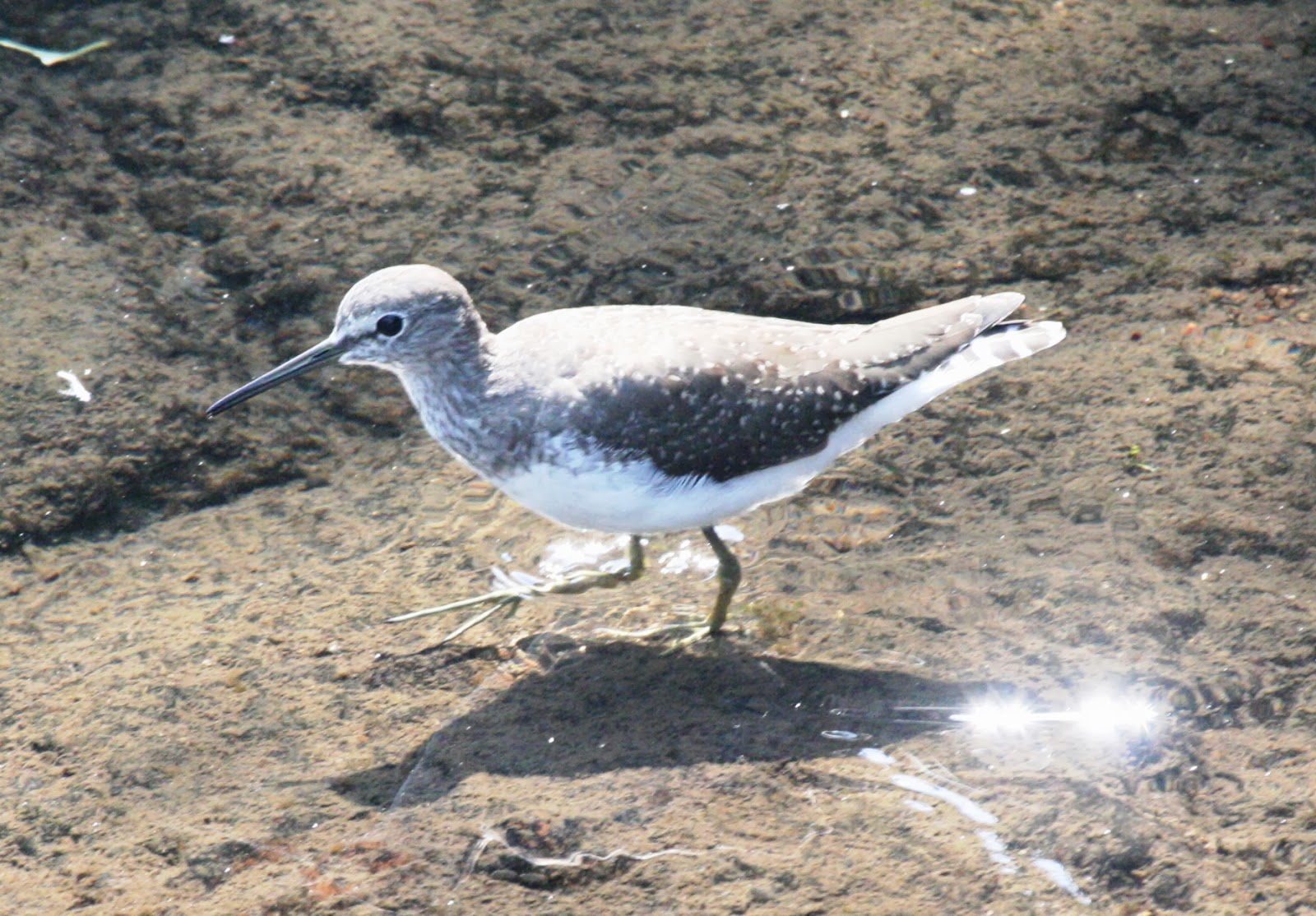
Green Sandpiper Tringa ochropus
Eastern Great Tit Parus minor
Grey Heron Ardea cinerea
Japanese Bush Warbler Horornis diphone
Little Grebe Tachybaptus ruficollis
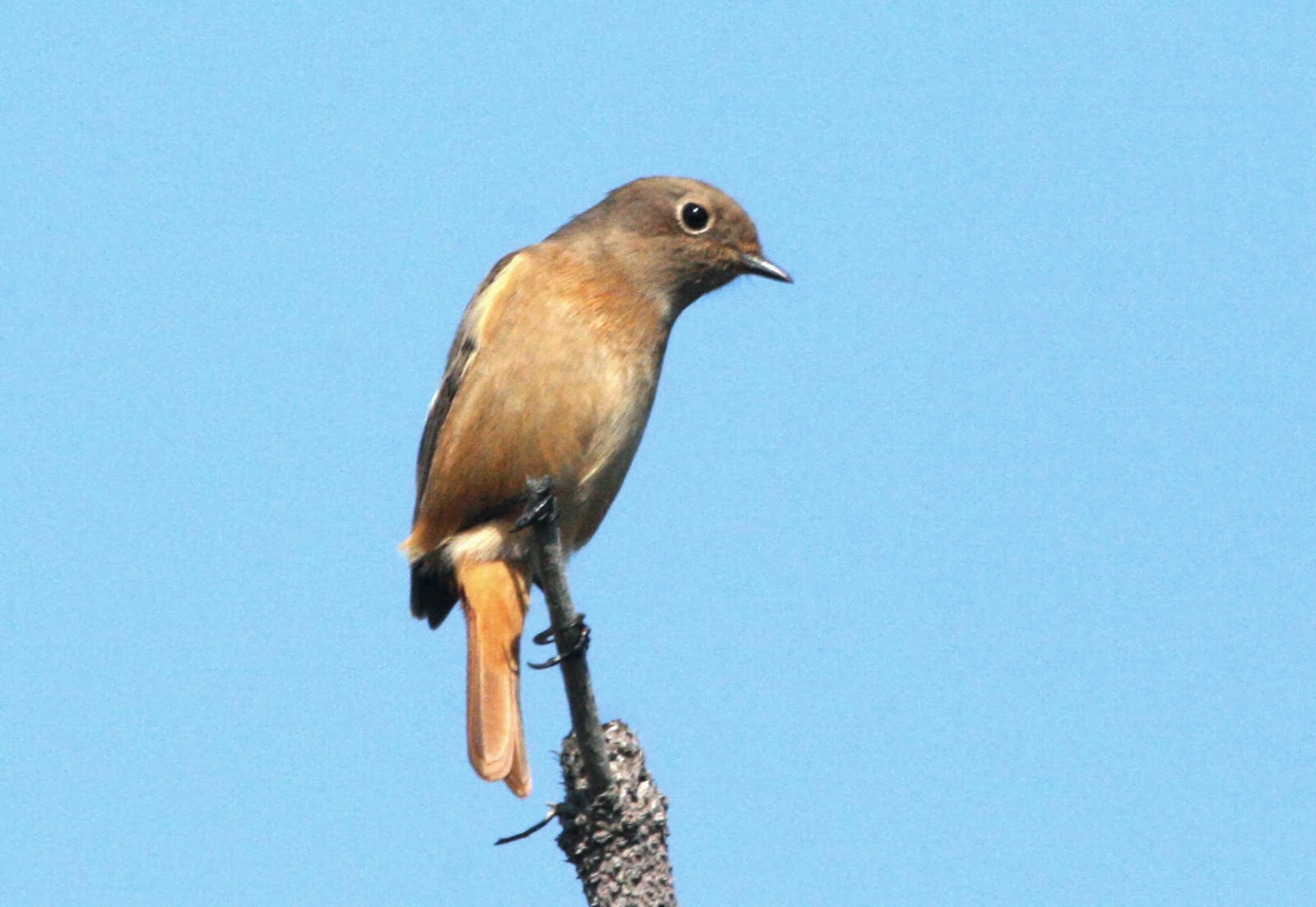
female Daurian Redstart Phoenicurus auroreus
Black-winged Stilt Himantopus himantopus
Varied Tit Sittiparus varius
Eurasian Wigeon Anas penelope - why is the one in the back so richly chocolate brown?
White Wagtail Motacilla alba
Yellow-throated Bunting Emberiza elegans
  Time flies. I've been doing a lot of birding in my local patch mostly, and the Seogwipo area isn't as birdy as it was even a few years ago. Some of the best little spots are getting degraded/noisy, as the whole island becomes increasingly developed for lucrative tourism. Yay.
  A trip to Mara-do on October 20th was very quiet - my attempts to visit the island when it was going off a few weeks earlier were repeatedly thwarted by unreliable ferry service. A trip to the 'Recreational Forest' the same day led to some great close looks at some Varied Tits and Yellow-throated Buntings, and a brief glimpse of a Eurasian Wren.
  I went up north a few weeks ago to hang out with the Birds Korea boys, I'll write about that soon, perhaps.
  There was an Imperial Eagle spotted on Jeju the other day, I'll try to check it out on Sunday. It's getting cold on Jeju.

Monday, October 7, 2013

Birds Korea and the Spoon-billed Sandpiper Mini-Documentary Project

Scanning for Spoonies at dawn on Yubu
This awesome little bird is in the fight of its life - there are less than 200 left. Read about what Birds Korea is trying to do to help:
http://www.birdskorea.org/BK-Startpage.shtml

Jeju Island, October 3rd - 30+ Chestnut-cheeked Starlings

Chinese Sparrowhawk Accipiter soloensis
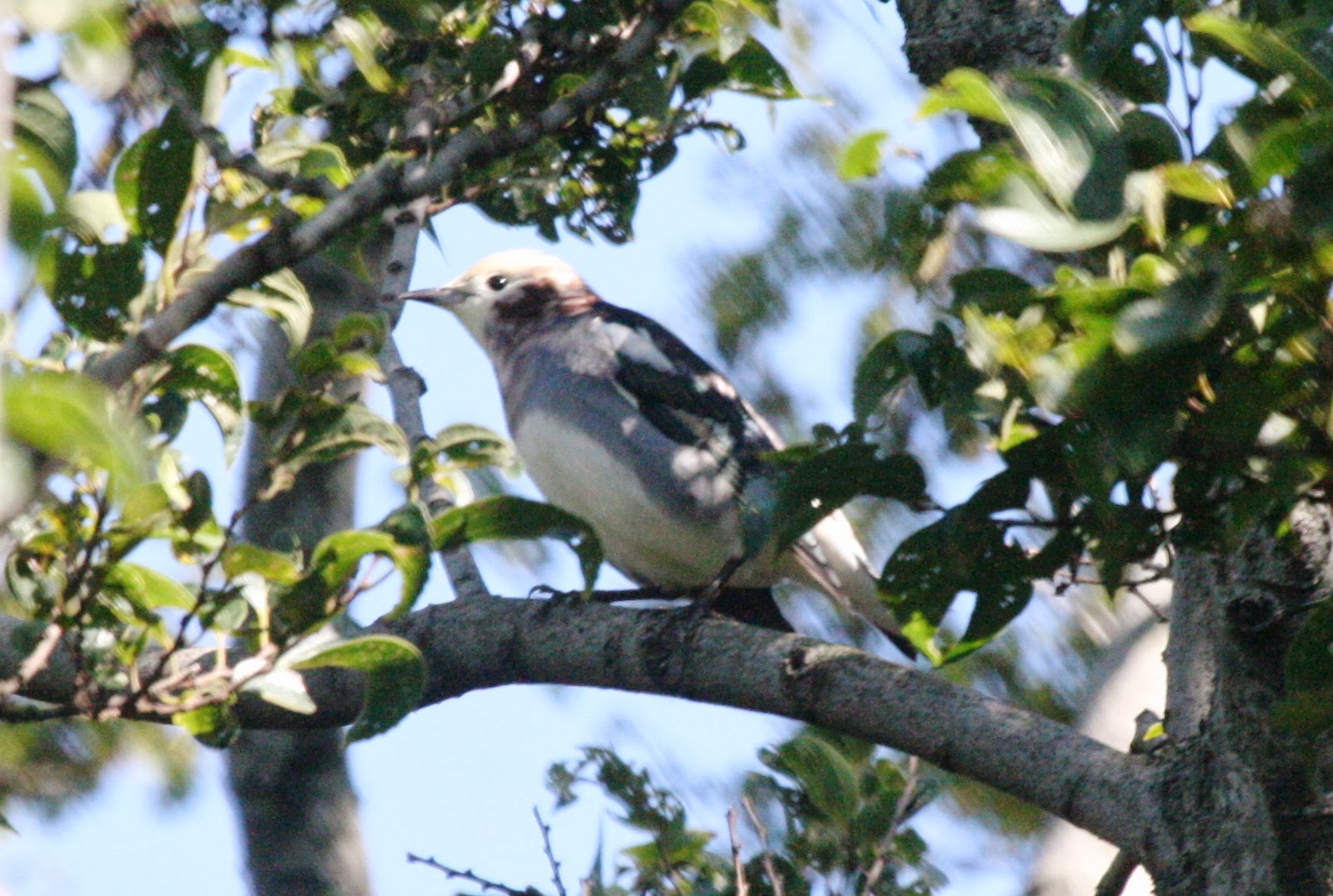
female Chestnut-cheeked Starling Agropsar philippensis
male Chestnut-cheeked Starling Agropsar philippensis
  With the ferry to Mara-do cancelled due to high winds, I had to settle for a ramble around the west coast. On the southwest coast, I watched a Chinese Sparrowhawk as it loomed over a large flock of Tree Sparrows cowering in a large thicket of scrub. The sparrowhawk appeared to have a deformed bill. Nearby, I thought I saw a Black Drongo drop down from a power line as I was riding past, but I was unable to re-find the suspect bird.
  On the way back to Seogwipo, I stumbled on a prime bit of habitat in a quiet farming village near the west coast, featuring a stream lined with large old Hackberry trees. Mixed in among a flock of perhaps 30 noisy Brown-eared Bulbuls was a similar number of Chestnut-cheeked Starling. They were mostly sticking to the treetops, moving up and down the river in smaller groups. It was nice to see this attractive bird in such numbers, as I’ve only ever encountered the occasional single bird in spring.

Monday, September 30, 2013

Jeju east coast sites, September 19, 2013

Ojo-ri
Seongsan-po
Hado-ri
Hado horses
Temminck's Cormorant Phalacrocorax capillatus
juvenile Grey-streaked Flycatcher Muscicapa griseisticta
Black-winged Stilt Himantopus himantopus with Garganey Anas querquedula
Common Greenshank Tringa nebularia
Common Redshank Tringa totanus
Red-necked Stint Calidris ruficollis
odd-looking White Wagtail Motacilla alba
Warbling (Japanese) White-eye Zosterops japonicus
  A lovely sunny day off for a long drive around coastal sites mostly on the east coast of Jeju. Shorebird numbers were pretty low, and the winter ducks have yet to arrive in force, with mostly single-digit numbers of Spot-billed Ducks at most sites. Several early Garganey were spotted near Seongsan, in the company of three Black-winged Stilts. Three Little Grebe in summer plumage were seen nearby, as well as single Common Greenshank and Common Redshank. Active Common Sandpipers were noted at most sites, with perhaps two dozen seen on the day. Also in the area, five Eastern Yellow Wagtail. Raptors were represented by patrolling Osprey and Peregrine Falcon.
  Hado was very quiet, with a spotty juvenile Grey-streaked Flycatcher seen.
At Pyeoson, 14 Red-necked Stints, as well as several Sanderling and Kentish Plover worked a quiet section of beach.
In Seogwipo, 5 Red-necked Stints fed in the harbour, while the hills around town held two mysterious Cuckoos, which were unfortunately silent. I'll deal with them in a separate post soon. In a riverside park, a female-type Mandarin duck (male eclipse?) with a pink bill paddled on a quiet bit of river. An odd White Wagtail with a buffy-white head (leucistic?) was spotted nearby. Japanese White-eyes were feeding on berries at a number of sites.

Sunday, September 29, 2013

Buff-breasted Sandpiper!!

  This is a mega-rarity, previously seen in Korea perhaps three times. Here's the report I wrote for Birds Korea:

Buff-breasted Sandpiper Tryngites subruficollis
Jeju Island, September 28, 2013 
  I rode out to Jeju’s northwest coast early on Saturday morning in search of a reported Buff-breasted Sandpiper. I arrived at a field just in from the coast that featured a great mix of wet and dry habitats, and waited for the bird to show itself. After almost an hour, a small shorebird flew from the dry scrubby area to the small wetland next to the road – it was the Buff-breasted Sandpiper! I hunkered down low and got some spectacularly long and close looks at it as it paced lazily through the mud at the edge of the water. Such a sleek and regal bird, it was a real pleasure to watch.
Also spotted in this small but productive patch of wetland were low single-digit numbers of Common Snipe, Long-toed Stint, (amorous) Green Sandpiper, Common Greenshank, Common Redshank, Wood Sandpiper, Little Ringed Plover, Pacific Golden Plover, and Dunlin.
  The Buff-breasted Sandpiper seemed to be most closely associating with two Pacific Golden Plovers. Outlandish theory time - perhaps it fell in with these birds in their overlapping summer ranges in eastern Siberia and got mixed up and followed them to the ROK instead of its normal South American wintering grounds?